
Disclosure: As an Amazon Associate I earn from qualifying purchases. How this site works
Resin Printing Safety
Simple habits make resin printing much safer.
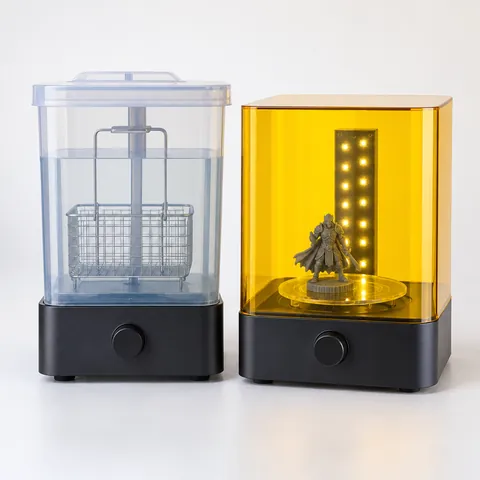 Wash-and-cure stations
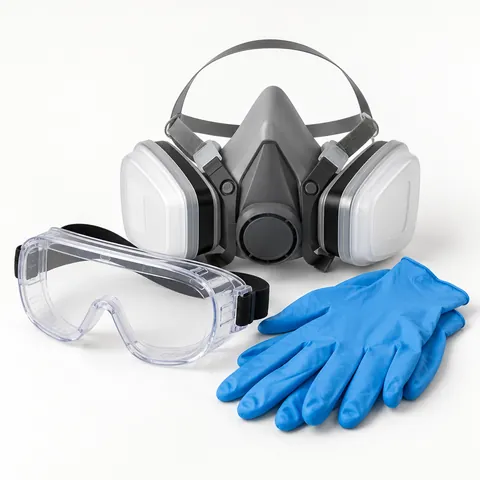 Resin safety gear
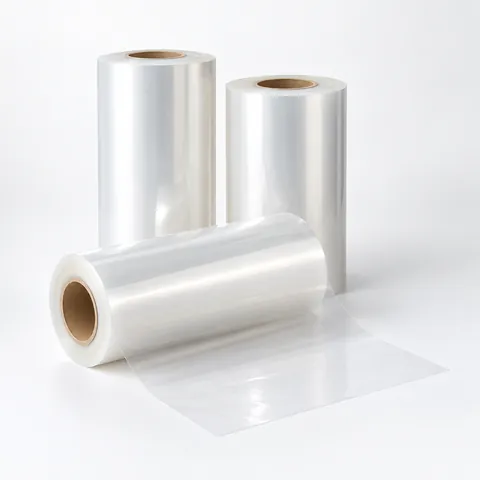 Replacement release films
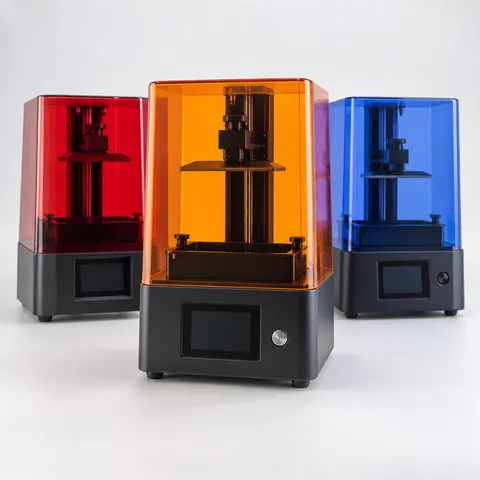 Entry-level MSLA resin printers
Protective gear
- Nitrile gloves — replace when contaminated
- Safety glasses
- Long sleeves
- A respirator suited to organic vapours if your ventilation is limited — check the resin’s safety data sheet
Workspace
- Print in a ventilated room away from bedrooms and food.
- Cover surfaces with a tray or silicone mat.
- Keep resin and alcohol away from children and pets.
- Clean spills with paper towels and alcohol, then cure the waste before disposal.
See resin safety gear.
What counts as good ventilation for resin printing?
A cracked window is better than a closed room, but it is not a full ventilation plan. The goal is to keep resin and alcohol vapors from building up where you breathe and to move contaminated air outdoors, not into another room. A small printer in a spare room still needs planning because uncured resin, open vats, dirty paper towels, and alcohol wash containers can all add odor and vapor.
The best simple setup is a dedicated printing area with local exhaust. Put the printer in an enclosure or cabinet, attach a duct fan, and vent the air outside through a window insert or wall vent. Keep the duct run as short and straight as practical so the fan can actually move air. Do not vent into an attic, crawl space, garage attached to living space, or shared hallway.
Activated carbon filters can reduce odor, but they are not a guarantee that the air is safe. Carbon becomes less effective as it loads up, and different resins release different compounds. Treat a carbon filter as a backup, not a substitute for exhausting air outdoors when the resin safety data sheet calls for ventilation.
A practical check: if you can smell resin strongly when you enter the room, your controls need work. Odor is not a precise exposure meter, but it is a useful warning sign. Keep the door closed during printing and post-processing, run exhaust while the printer is operating and while parts are being washed, and give the area time to clear before you spend long periods in the room.
- Use a room that is not used for sleeping, cooking, eating, or storing clothes.
- Keep the resin printer away from HVAC returns so vapors are not pulled through the house.
- Open resin bottles, vats, and wash tubs only as long as needed.
- Use lidded wash containers and wipe bottles before storing them.
- If you cannot vent outside, reduce print time in that room and follow the respirator guidance on the resin's SDS.
How should gloves, sleeves, and respirators be chosen?
Nitrile gloves are the default choice because they handle typical resin cleanup better than thin food-service gloves. Choose gloves that fit snugly without stretching so hard that they tear. If you often bump sharp supports or build plates, use thicker nitrile gloves or double-glove during messy jobs, then remove the outer pair before touching clean tools.
Replace gloves as soon as resin gets on them, when they tear, or when you finish a task. Do not keep working in sticky gloves because you will spread resin to the printer screen, door handles, wash station, phone, and keyboard. Make a clean-hand rule: one hand handles dirty parts and tools, the other stays available for switches, lids, and other clean surfaces.
A respirator only helps if it fits your face and uses the right cartridge for the job. Look for a reusable half-face or full-face respirator compatible with organic vapor cartridges, and check the resin SDS for any additional recommendations. Facial hair can break the seal. Perform a user seal check each time you put it on, and store cartridges in a sealed bag or container when not in use so they are not absorbing room air all day.
If you need to build a safer kit from scratch, resin safety gear should include properly sized nitrile gloves, splash-rated eye protection, disposable shop towels, a respirator that fits, and containers for contaminated waste. Keep this kit next to the printer so you do not have to walk through the house looking for supplies while holding wet parts.
| Item | What to look for | Common mistake |
|---|---|---|
| Nitrile gloves | A snug fit, enough thickness for handling build plates and supports | Reusing sticky gloves or touching clean surfaces with them |
| Eye protection | Wraparound glasses or goggles that protect from splashes | Relying on regular eyeglasses only |
| Sleeves or apron | Washable or disposable coverage for forearms and clothing | Wearing absorbent fabric that holds resin against skin |
| Respirator | Organic vapor cartridges and a facepiece that seals | Using a dust mask for chemical vapors |
| Waste container | A labeled, lidded container for contaminated towels, gloves, and failed prints | Leaving wet waste open on the bench |
How do you handle spills and skin contact?
Small spills are common, so set up before they happen. Keep disposable towels, alcohol, a plastic scraper, a UV curing method, and a waste container within reach. Work on a tray with raised edges when pouring resin or removing the vat. That tray can keep a small mistake from reaching the table, floor, or printer electronics.
If resin gets on skin, stop and wash it off promptly with plenty of soap and water. Do not use isopropyl alcohol on your skin to dissolve resin because it can dry and irritate skin and may help carry chemicals across the skin barrier. Remove contaminated clothing and wash it separately. If a rash, burning, or eye exposure occurs, follow the SDS first-aid instructions and contact medical help or poison control as appropriate.
For a spill on a hard surface, put on fresh gloves and eye protection first. Blot; do not smear. Use towels to pick up the bulk resin, then clean the remaining film with alcohol if the surface can tolerate it. Cure the used towels and residue before disposal, following local rules. Check nearby seams, screw holes, and the underside of the printer because resin can wick into places that are hard to see.
- Stop the source: close the bottle, stop the pour, or remove the leaking vat.
- Protect yourself: put on clean gloves and eye protection before cleanup.
- Contain it: surround the spill with towels so it cannot spread.
- Remove the bulk: blot resin into disposable towels or absorbent pads.
- Clean the residue: wipe with alcohol on compatible surfaces, then dry the area.
- Cure contaminated waste: expose towels and failed prints to UV until they are fully hardened before disposal where allowed.
- Inspect the equipment: check the screen area, vat film, and printer feet before the next print.
If resin leaks through the vat film, pause before scraping. Hardened resin on the screen or LCD cover should be removed gently with the method recommended by the printer manufacturer. Metal tools can scratch protective films and screens. If the vat film is cloudy, dented, punctured, or leaking, replace it before printing again; keeping replacement FEP films on hand reduces the temptation to run one more risky print.
How should resin, alcohol, and cured waste be stored and disposed of?
Uncured resin and dirty wash alcohol should be treated as chemical waste until cured or otherwise handled according to local rules. Do not pour liquid resin, dirty alcohol, or resin sludge down a drain. Do not put uncured liquid resin in household trash. Rules vary by city and county, so check your local hazardous waste program if you are unsure.
Store resin in its original bottle when possible, with the label intact and the cap tight. Keep bottles upright in a secondary tray or bin so a leaking cap does not spread across a shelf. Avoid heat, direct sun, and areas where children or pets can reach. If you transfer resin to another container, label it with the resin type and the date, and never use food or drink containers.
Alcohol used for washing parts is also a safety issue because it is flammable and can carry uncured resin. Keep wash containers closed when not in use, away from sparks, heaters, and open flames. Let resin solids settle before deciding how to manage the alcohol. Some users cure and filter dirty alcohol for limited reuse, but it becomes less effective over time and may still need hazardous-waste disposal depending on contamination and local rules.
A wash-and-cure station can make the workflow cleaner because it keeps alcohol in a lidded container and gives you a dedicated UV curing step. It does not eliminate the need for gloves, ventilation, or proper waste handling. Think of it as a containment tool, not a safety shortcut.
- Cure failed prints and supports before disposal when local rules allow household trash for cured resin.
- Keep a separate lidded container for uncured wipes, gloves, filters, and sludge until they can be cured or taken to hazardous waste.
- Label waste containers so no one mistakes them for clean alcohol or water.
- Do not mix resin waste with food trash while it is still wet.
- Transport liquid waste in sealed containers inside a secondary bin to prevent leaks in your vehicle.
Frequently asked questions
Is cured resin safe to touch?
Fully cured resin is much safer to handle than wet resin, but it can still have sharp edges, dust, or partially cured pockets in thick areas. Wash and cure parts thoroughly before bare-hand handling, and wear a dust mask or respirator when sanding because resin dust should not be inhaled.
Can I resin print in an apartment?
It can be done only if you can control vapors, spills, noise, and waste without exposing roommates, neighbors, pets, or shared spaces. Use a non-living area if available, vent outdoors where allowed, keep containers closed, and check lease rules before modifying windows or vents.
Do I need gloves after the print is washed?
Wear gloves until the part has been washed, dried, and fully UV cured. A part that looks clean can still hold liquid resin in drain holes, hollow interiors, support contact points, and surface details.
What should I do if resin gets in my eye?
Rinse immediately with clean running water and follow the first-aid directions on the resin safety data sheet. Remove contact lenses if you can do so easily, keep rinsing, and seek medical advice promptly because eye exposure can be serious.
Disclosure: As an Amazon Associate I earn from qualifying purchases. This site may earn a commission when you buy through its links, at no extra cost to you. Product details come from public manufacturer information; always check the merchant page for current specifications and prices. We have not hands-on tested the products described here.