
Disclosure: As an Amazon Associate I earn from qualifying purchases. How this site works
Where to Buy a Resin 3D Printer
Each category below links to current listings on Amazon (opens in a new tab). Use this checklist to compare resin printers before you buy.
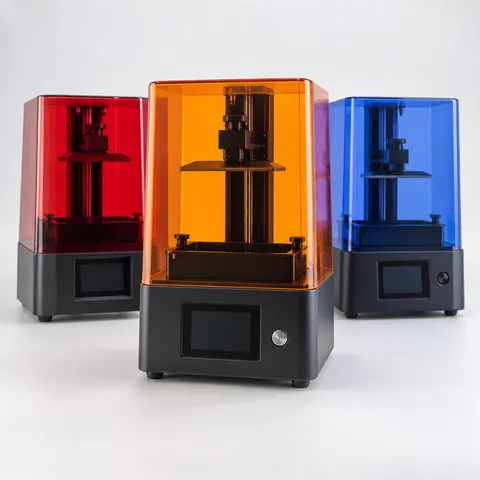 Entry-level MSLA resin printers
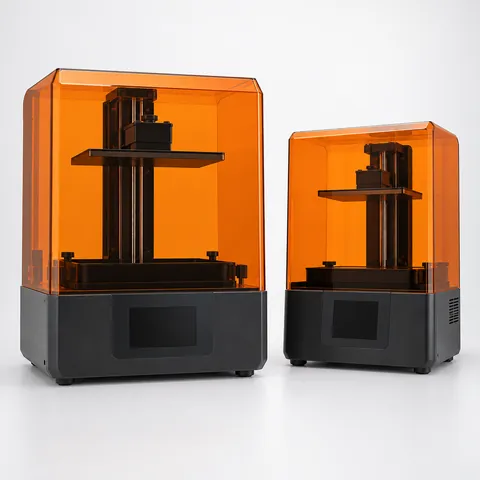 Large-format resin printers
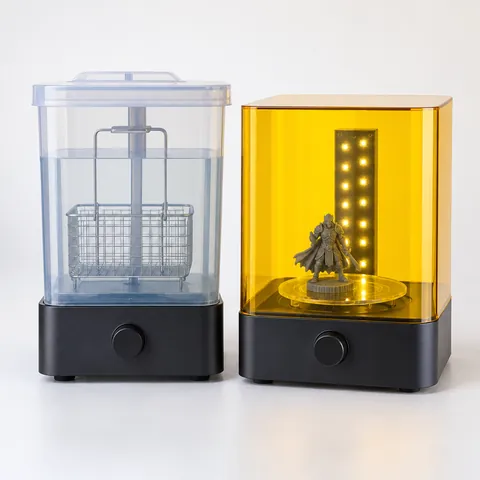 Wash-and-cure stations
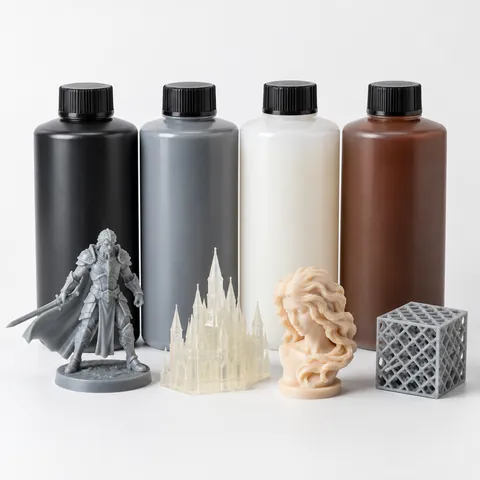 3D printing resins
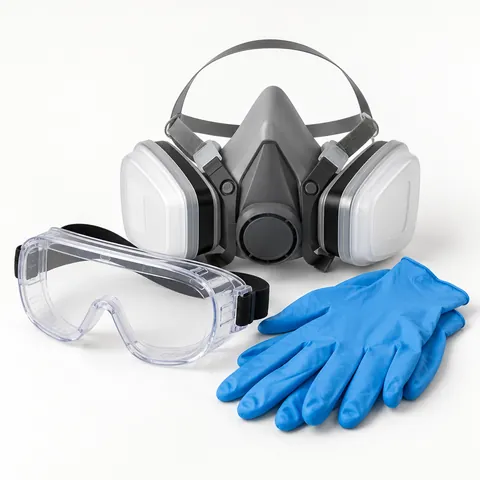 Resin safety gear
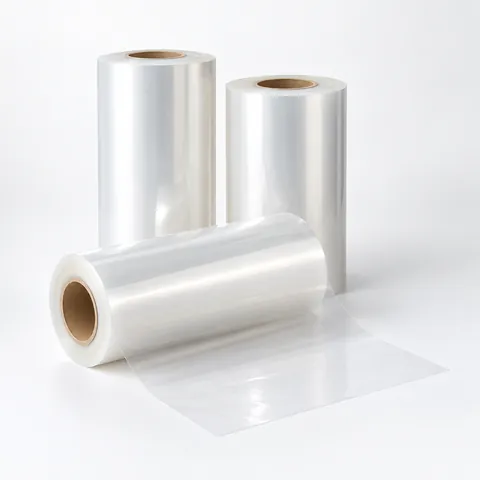 Replacement release films
Before you buy
- XY pixel size and screen size.
- Build volume.
- Film type and replacement cost.
- Supported resins and slicer software.
- Warranty, spare screens and support.
Categories referenced on this site
- Entry-level MSLA resin printers
- Large-format resin printers
- Wash-and-cure stations
- 3D printing resins
- Resin safety gear
- Replacement release films
Budget for extras
Plan for resin, alcohol, gloves, spare films and a wash-and-cure setup on top of the printer price.
Where is the best place to buy a resin 3D printer?
The best place to buy depends on what you value most: fast shipping, easy returns, direct support, or access to replacement parts. A marketplace listing is convenient when you want to compare several printers side by side and read current buyer questions, but the merchant page should still be checked carefully for the exact version, included accessories, voltage, plug type, and return window.
Buying directly from a manufacturer can make sense when you want a bundle, a newer revision, or official accessories shipped with the printer. The trade-off is that return rules, shipping times, and warranty handling may be different from a large marketplace. Before you choose, compare the final cart, not just the printer listing, because resin printing usually requires supplies you may not already own.
- Choose a major marketplace if easy returns and quick delivery are your top priorities.
- Choose a manufacturer store if you want the latest revision, a specific bundle, or direct accessory compatibility.
- Choose a specialty 3D printing retailer if you want more guidance before purchase or clearer spare-parts support.
- Avoid listings that do not show the real build volume, screen resolution, included items, and warranty terms.
- Be careful with used or open-box resin printers unless the screen condition, vat condition, and accessories are clearly documented.
Should you buy an entry-level or large-format resin printer?
Most first-time buyers are better served by a smaller MSLA printer because it uses less resin per failed print, takes up less space, and is easier to clean around. A larger machine is useful when you already know you need big parts, batch production, or fewer split models, but it also increases the cost of mistakes and the size of the wash and cure workflow.
If you are buying your first machine, start by matching the printer to the parts you actually plan to make in the next few months. Miniatures, small figures, jewelry masters, dental-style models, and small mechanical prototypes do not automatically require a large-format printer. Helmets, large statues, cosplay parts, and production batches may justify the extra footprint.
| Buying choice | Best fit | Main trade-off |
|---|---|---|
| Entry-level resin printer | First printer, small models, limited workspace, lower-risk learning | Smaller build area means large models may need to be split and assembled |
| Mid-size resin printer | Mixed hobby work, larger figures, small batch printing | Needs more resin, more cleaning space, and more careful leveling |
| Large-format resin printer | Large props, big display models, repeated batch printing | Higher resin use, heavier vats, larger wash setup, and more space needed |
For a first printer, browse entry-level resin printers and compare the size of the parts you want to print against the listed build volume. If you already know you need big one-piece prints, compare large-format resin printers and make sure your workspace can handle the printer, resin bottles, cleaning containers, and curing area.
What should you check on the listing before ordering?
A resin printer listing can look complete while still leaving out details that matter later. Treat the product page as a spec sheet, not just a sales page. If a detail is missing, check the manufacturer page or manual before buying.
- Confirm the build volume in all three dimensions. The tallest number alone is not enough if your parts are wide or deep.
- Check the screen type, screen size, and stated XY resolution. Do not compare resolution numbers without also looking at the physical build area.
- Look for the release film type used in the vat and whether replacement films are easy to buy.
- Check whether the printer includes a vat, build plate, power supply, tools, and any starter accessories. Resin is often not included.
- Confirm which slicers are supported and whether the printer requires a proprietary file format or network setup.
- Read the return policy for opened resin printers. Some sellers treat used resin equipment differently because of contamination risk.
- Look for spare screens, vats, build plates, and films before you need them. A printer is less useful if common wear parts are hard to source.
- Check the shipping origin and delivery estimate, especially for heavy large-format machines and resin bottles.
Do not rely only on product photos. Photos may show accessories, sample prints, or resin bottles that are not included in the actual package. The included-items list and the checkout page are more important than the marketing image.
What else should you buy with a resin printer?
A resin printer is not a complete workflow by itself. You need a way to handle liquid resin, wash printed parts, cure them after washing, and deal with waste safely. Planning this before the printer arrives prevents the common problem of having a machine ready to run but no safe place to clean prints.
- Nitrile gloves for handling uncured resin and contaminated tools.
- Eye protection for pouring resin, removing supports, and cleaning the vat.
- A respirator or appropriate ventilation plan if your workspace needs it.
- Wash containers or a wash-and-cure station sized for your printer’s build plate.
- Isopropyl alcohol or another resin-compatible wash solution recommended for your resin.
- Paper towels, silicone mats, funnels, and paint filters for cleaner resin handling.
- Spare release films, because punctures and cloudy film can stop printing until replaced.
- A UV curing method that can reach all sides of the model, not just the top.
- A sealable waste container for contaminated towels, supports, failed prints, and used wash liquid.
If you are setting up from scratch, prioritize resin safety gear before extra resin colors or decorative accessories. A clean workflow also protects the printer: fewer spills around the vat, fewer fingerprints on the screen area, and less chance of dragging cured resin bits across the film.
How can you avoid buying the wrong resin printer?
The easiest mistake is buying for a future use case instead of your real first projects. A very large printer may sound more flexible, but it can be inconvenient if you mostly print small items. A very small printer may be frustrating if every model you like has to be split into pieces. Measure the models you want to print and compare those dimensions to the printer’s usable build area before ordering.
Also think about where the printer will live. Resin printing is messy compared with filament printing because every finished part comes off the build plate wet with uncured resin. The work area should have a stable table, room to remove the lid, space for washing and curing, and a way to keep children, pets, food, and direct sunlight away from the resin workflow.
If you are uncertain between two sizes, choose based on workflow, not just maximum capacity. The better printer is the one you can use safely, clean consistently, and maintain with available parts. A printer that fits your space and has easy-to-find consumables will usually get more use than a larger machine that is awkward to clean.
Frequently asked questions
Is it safe to buy a resin 3D printer online?
Yes, as long as you buy from a reputable seller with clear return terms, current specifications, and accessible support information. Check the exact model version, included accessories, shipping origin, and warranty process before ordering. Resin printers are delicate enough that you should inspect the package and machine promptly after delivery.
Should I buy a resin 3D printer bundle?
A bundle can be useful if it includes items you were already going to buy, such as resin, films, or a wash-and-cure unit. Compare the bundle contents against the individual listings, and make sure every item is compatible with the printer size. Do not buy a bundle just because it has many accessories; low-use extras can take up space and add little value.
Can I buy a used resin 3D printer?
You can, but it carries more risk than buying new. Ask about the LCD screen condition, vat scratches, film condition, resin spills, missing tools, and whether the printer has been exposed to cured resin on the screen area. If the seller cannot show clean photos of the vat, screen area, and test operation, it may not be worth the hassle.
Do resin 3D printers come with resin?
Some packages include a small bottle of resin, but many do not. Always check the included-items section instead of assuming resin is in the box. Even if resin is included, you may still need gloves, cleaning supplies, and a curing method before you can complete a print safely.
What size resin printer should a beginner buy?
Most beginners should choose a printer that fits their actual first projects and their cleaning space. Small and mid-size machines are usually easier to learn on because the vat, build plate, and wash containers are easier to handle. Move up to large-format only if you have a clear need for bigger one-piece prints or regular batch production.
Disclosure: As an Amazon Associate I earn from qualifying purchases. This site may earn a commission when you buy through its links, at no extra cost to you. Product details come from public manufacturer information; always check the merchant page for current specifications and prices. We have not hands-on tested the products described here.